
Contents
- 🎵 Origins & History
- ⚙️ How It Works
- 📊 Key Facts & Numbers
- 👥 Key People & Organizations
- 🌍 Cultural Impact & Influence
- ⚡ Current State & Latest Developments
- 🤔 Controversies & Debates
- 🔮 Future Outlook & Predictions
- 💡 Practical Applications
- 📚 Related Topics & Deeper Reading
- Frequently Asked Questions
- Related Topics
Overview
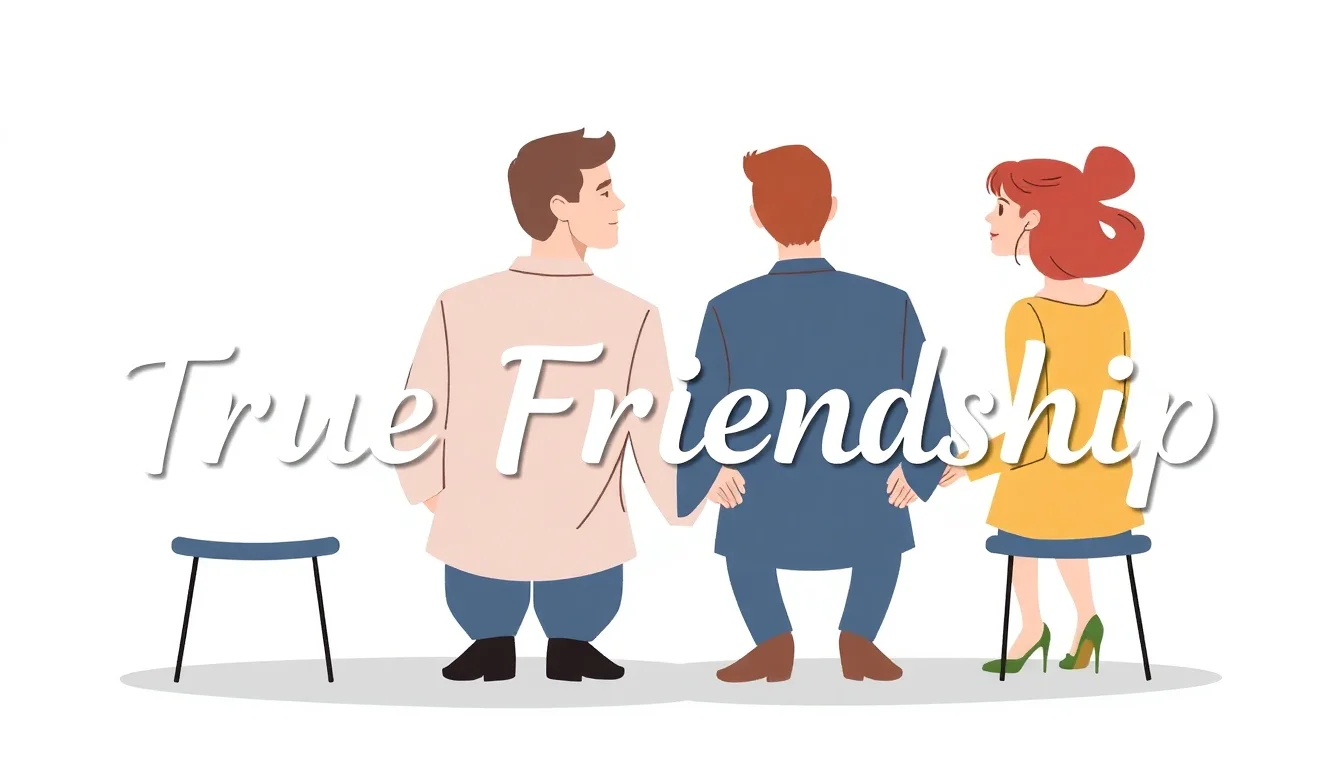
Friendship has evolved over centuries, with its significance rooted in human connection. Ancient philosophers like Aristotle emphasized the importance of friendship, categorizing it into three types: utility, pleasure, and virtue. The latter, which embodies true friendship, is marked by mutual respect and admiration. In modern times, studies by psychologists such as John Cacioppo have shown that friendships are crucial for emotional well-being, with the term 'social connection' gaining traction in the 21st century as a key component of mental health.
⚙️ How It Works
True friendship operates on several foundational principles. Trust is paramount; friends should feel safe sharing their thoughts and feelings without fear of judgment. Support is another critical element, where friends actively listen and provide help during difficult times. Communication plays a vital role, with open dialogues fostering understanding and resolving conflicts. For example, friends who engage in regular check-ins or share personal experiences often strengthen their bonds, creating a resilient relationship that can withstand challenges.
📊 Key Facts & Numbers
Key figures in the realm of friendship research include Robin Dunbar, known for Dunbar's Number, which suggests that humans can maintain approximately 150 stable relationships. Additionally, Brené Brown has contributed significantly to understanding vulnerability and connection in friendships. Organizations like the Friendship Bench in Zimbabwe promote mental health through peer support, showcasing the importance of friendship in community well-being.
👥 Key People & Organizations
Culturally, the concept of friendship varies across societies. In many Western cultures, friendships are often characterized by individualism and personal choice, while in collectivist societies, friendships may emphasize loyalty and familial ties. For instance, in Japan, the term 'nakama' refers to a deep bond that transcends mere acquaintance, highlighting the cultural nuances of friendship. Films like 'The Intouchables' and literature such as 'A Man Called Ove' illustrate the transformative power of friendship across different contexts.
🌍 Cultural Impact & Influence
Initiatives like Friendship Day encourage people to celebrate and strengthen their friendships. Social media platforms have also adapted, creating features that promote connection and engagement among friends. The rise of virtual meetups and online communities reflects a shift in how friendships are formed and maintained in a digital age.
⚡ Current State & Latest Developments
Controversies surrounding friendship often arise from differing expectations and cultural perceptions. Some argue that social media friendships lack depth compared to traditional friendships, while others believe that online connections can be just as meaningful. The debate continues over the impact of technology on interpersonal relationships, with studies indicating that while online interactions can enhance friendships, they may also lead to feelings of loneliness if not balanced with face-to-face interactions.
🤔 Controversies & Debates
Looking ahead, the future of friendship may be shaped by technology and changing social norms. Experts predict an increase in virtual friendships, especially among younger generations who are more comfortable with digital communication. However, the challenge remains to maintain the authenticity and depth of these connections. As society evolves, the essence of true friendship—trust, support, and mutual respect—will continue to be vital in fostering meaningful relationships.
🔮 Future Outlook & Predictions
Engaging in activities that promote bonding, such as shared hobbies or volunteer work, can strengthen these connections. Additionally, being open to discussing feelings and addressing conflicts can lead to healthier, more resilient friendships.
💡 Practical Applications
Related topics include overcoming loneliness, which explores how friendships combat isolation, and effective communication in relationships, which delves into the importance of dialogue in maintaining friendships. Other relevant areas include building trust in relationships, essential for fostering deep connections, and community building, which highlights the role of friendships in creating supportive networks.
Key Facts
- Year
- 2024
- Origin
- Global
- Category
- building-relationships
- Type
- concept
Frequently Asked Questions
What are the key signs of true friendship?
Key signs of true friendship include unwavering support during difficult times, open and honest communication, and a genuine joy in each other's successes. Friends who consistently check in on each other and are willing to listen without judgment demonstrate a deep bond. Research indicates that these qualities not only enhance personal relationships but also contribute to overall mental well-being, making it essential to recognize and nurture these signs.
How can I tell if my friendship is genuine?
A genuine friendship is characterized by mutual respect, trust, and support. If you find that you can share your thoughts and feelings openly without fear of judgment, and your friend is there for you during tough times, these are strong indicators of a true friendship. Additionally, a genuine friend celebrates your successes and encourages your growth, creating a positive and uplifting dynamic.
Why are friendships important for mental health?
Friendships play a crucial role in mental health by providing emotional support, reducing feelings of loneliness, and enhancing overall life satisfaction. Studies show that individuals with strong social ties are 50% more likely to report higher happiness levels and lower stress. Friendships also encourage healthy behaviors and can lead to a longer life, emphasizing the importance of nurturing these connections.
What cultural differences exist in friendships?
Cultural differences in friendships can significantly impact how relationships are formed and maintained. In Western cultures, friendships often emphasize individualism and personal choice, while collectivist societies may prioritize loyalty and familial ties. For example, in Japan, the concept of 'nakama' reflects a deep bond that goes beyond casual acquaintance, illustrating the diverse ways friendship is perceived across cultures.
How can I strengthen my friendships?
To strengthen friendships, engage in activities that promote bonding, such as shared hobbies or volunteer work. Open communication is vital; regularly check in with friends and be willing to discuss feelings or conflicts. Additionally, showing appreciation and celebrating each other's successes can enhance the connection and create a supportive environment.
What are the future trends in friendships?
Future trends in friendships may be shaped by technology and changing social norms, with an increase in virtual friendships, especially among younger generations. While digital communication offers new ways to connect, the challenge remains to maintain the authenticity and depth of these connections.