
Contents
- 🎵 Origins & History
- ⚙️ How It Works
- 📊 Key Facts & Numbers
- 👥 Key People & Organizations
- 🌍 Cultural Impact & Influence
- ⚡ Current State & Latest Developments
- 🤔 Controversies & Debates
- 🔮 Future Outlook & Predictions
- 💡 Practical Applications
- 📚 Related Topics & Deeper Reading
- Frequently Asked Questions
- Related Topics
Overview
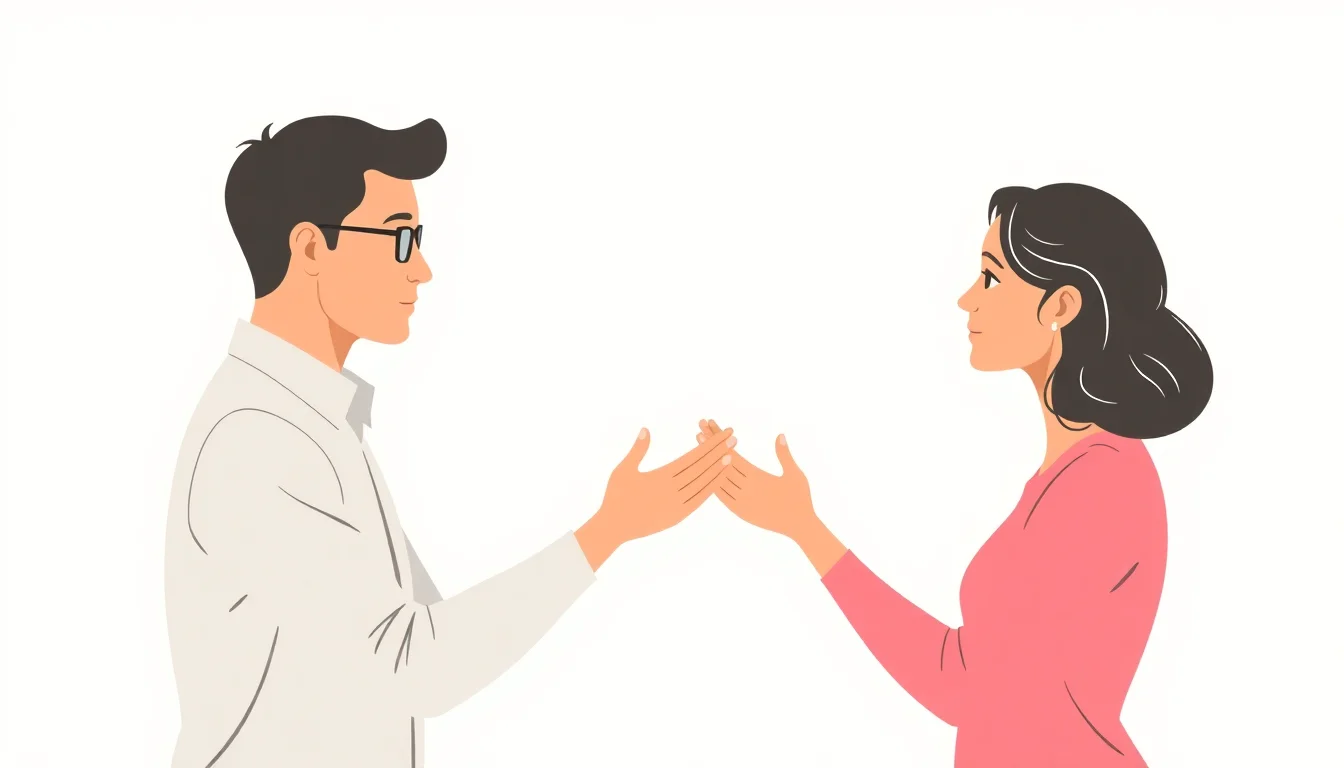
Conflict resolution techniques are essential tools for fostering understanding and nurturing friendships within communities. These methods help individuals navigate disagreements by transforming potential rifts into opportunities for deeper connections. Techniques such as active listening, negotiation, and mediation not only address the immediate issues but also strengthen the bonds between friends and community members. By promoting effective communication and empathy, these strategies can significantly reduce feelings of isolation and enhance the overall spirit of friendship. In a world where misunderstandings are common, mastering these techniques is crucial for building lasting relationships and a supportive community.
🎵 Origins & History
Roots tracing back to ancient practices of mediation and negotiation. By the late 20th century, the field expanded to include various methods, including restorative justice and collaborative problem-solving, reflecting a growing recognition of the role of empathy and communication in resolving conflicts.
⚙️ How It Works
Conflict resolution techniques encompass a variety of methods designed to facilitate understanding and cooperation among disputants. Active listening is a foundational skill, allowing individuals to fully comprehend the perspectives of others, which can lead to more effective negotiation. Mediation involves a neutral third party who helps facilitate dialogue and find common ground, while negotiation focuses on direct communication between the parties involved. Techniques such as interest-based bargaining aim to identify underlying needs rather than positions, fostering a collaborative atmosphere. These methods not only resolve conflicts but also strengthen relationships by promoting trust and mutual respect.
📊 Key Facts & Numbers
Several key figures and organizations have significantly influenced the development of conflict resolution techniques. William Ury is a co-founder of the Harvard Negotiation Project and has been instrumental in promoting negotiation strategies that emphasize mutual benefit. The International Institute for Conflict Prevention and Resolution provides resources and training for effective conflict management. Additionally, grassroots organizations like Peace First empower young people to become conflict resolvers in their communities, demonstrating the widespread impact of these techniques across various levels of society.
👥 Key People & Organizations
The cultural impact of conflict resolution techniques is profound, influencing various aspects of society, from workplace dynamics to international relations. In many cultures, traditional conflict resolution practices, such as the Ubuntu philosophy in African communities, emphasize communal harmony and reconciliation. In the workplace, companies that prioritize conflict resolution training often experience improved collaboration and innovation. Media representations, such as in films and literature, often highlight the transformative power of resolving conflicts, reinforcing the idea that understanding and empathy are crucial for building strong relationships.
🌍 Cultural Impact & Influence
Recent developments include the integration of technology in conflict resolution processes, such as online mediation platforms that facilitate remote discussions. Additionally, there is a growing emphasis on incorporating emotional intelligence into conflict resolution training, recognizing its importance in fostering empathy and understanding. Organizations are increasingly adopting these techniques to enhance workplace culture and community engagement, reflecting a broader societal shift towards valuing collaboration over confrontation.
⚡ Current State & Latest Developments
Controversies surrounding conflict resolution techniques often center on the effectiveness of various methods and their applicability across different contexts. Critics argue that some techniques, like mediation, may not be suitable for all conflicts, particularly those involving power imbalances. Others debate the effectiveness of interest-based negotiation versus positional bargaining, with proponents of each approach presenting compelling arguments. Additionally, the role of cultural differences in conflict resolution practices raises questions about the universality of certain techniques, highlighting the need for adaptable strategies that respect diverse perspectives.
🤔 Controversies & Debates
Looking ahead, the future of conflict resolution techniques appears promising, with several trends shaping its evolution. Experts predict an increased focus on integrating technology, such as artificial intelligence, to analyze conflict patterns and suggest tailored resolution strategies. Additionally, there is a growing recognition of the importance of emotional intelligence in conflict resolution, with training programs increasingly incorporating these skills. As communities continue to face complex challenges, the demand for effective conflict resolution techniques will likely grow, emphasizing the need for ongoing education and innovation in this field.
🔮 Future Outlook & Predictions
Conflict resolution techniques have practical applications across various domains, from personal relationships to organizational settings. In workplaces, training in negotiation and mediation can enhance team dynamics and productivity. Community organizations often utilize conflict resolution techniques to address local disputes, fostering a sense of belonging and cooperation among residents. By implementing these strategies, individuals and groups can create environments where conflicts are resolved constructively, ultimately strengthening relationships and community ties.
💡 Practical Applications
Related topics include Effective Communication in Relationships, Nurturing Meaningful Connections, and Overcoming Loneliness. Each of these areas intersects with conflict resolution, highlighting the importance of understanding and addressing disagreements in building strong, supportive communities.
Key Facts
- Year
- 2024
- Origin
- Global
- Category
- building-relationships
- Type
- concept
Frequently Asked Questions
What are the most effective conflict resolution techniques?
Some of the most effective conflict resolution techniques include active listening, mediation, and negotiation. Active listening allows individuals to fully understand each other's perspectives, while mediation involves a neutral third party facilitating the discussion. Negotiation focuses on finding common ground and mutually beneficial solutions. Research shows that these techniques can significantly reduce conflict recurrence and improve relationships, making them essential skills in both personal and professional settings.
How can conflict resolution techniques improve relationships?
Conflict resolution techniques improve relationships by fostering open communication and understanding. When individuals engage in active listening and mediation, they create a safe space for expressing feelings and concerns. This process helps to build trust and empathy, leading to stronger connections. Studies indicate that organizations implementing these techniques see increased employee satisfaction and collaboration.